
What to Send Someone Who Is Grieving
Practical, low-pressure things to send after a death, what to write, and why the second month matters more than the first week.
Giftlify Editorial TeamPublished · 4 min read
There is no gift for this, and nothing on this page is meant to fix anything. The ideas below are ways to offer practical help and a thoughtful message, with the family’s own preferences first. Cruse Bereavement Support’s guidance on what to say is a useful starting point for supporting a friend.
The general shape: send something that requires no reply, no hosting and no decision — and send it again later, when everyone else has stopped.
Say something, even if it is clumsy
If you are unsure what to say, a short message of care can be a place to start. You do not need to explain the loss or assume how the person feels.
Name the person who died. Say one specific thing you remember about them — a habit, a phrase, a small kindness. That is the message people keep and reread. Avoid anything that starts with “at least”, and do not reach for a reason it happened.
Sign off with something that closes the loop: you don’t need to reply to this.

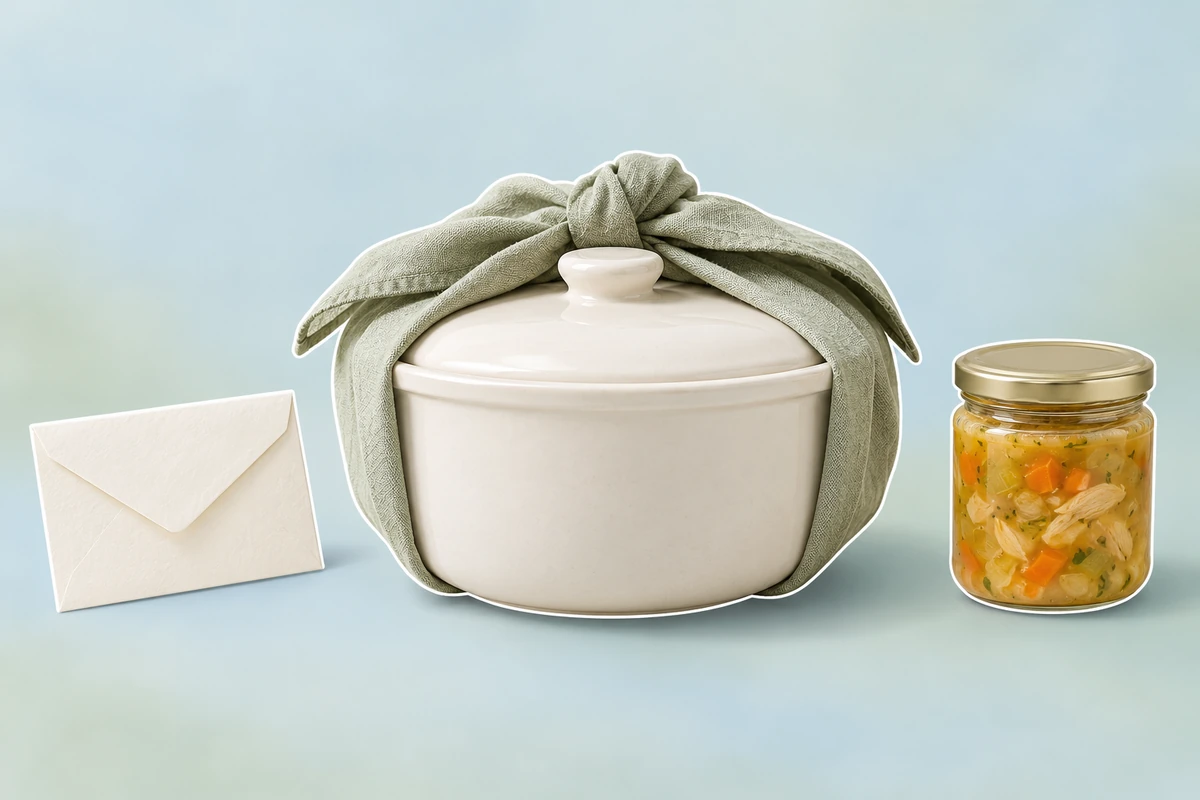
Food, in containers that do not come back
If food would be welcome, coordinate a delivery with someone who can receive and store it. Soup, a reheatable meal or a grocery order may fit, depending on the household. Label ingredients and avoid containers that need returning. Follow USDA guidance for safe handling of leftovers; a perishable meal must not wait on a doorstep.
If you do not cook or live far away, a delivered meal or a grocery order does the same job. Check for allergies with someone else in the household rather than asking the bereaved person to manage a question.

Take one task away entirely
The administration of a death is relentless: paperwork, calls, notifying people, a house to clear. Offer one concrete task and do it. Walking the dog every Tuesday, collecting the dry cleaning, driving to an appointment, sitting in the house so someone else can sleep.
Specific and scheduled beats generous and vague. “Let me know if you need anything” hands the work of asking to the person least able to do it.
Things that hold up
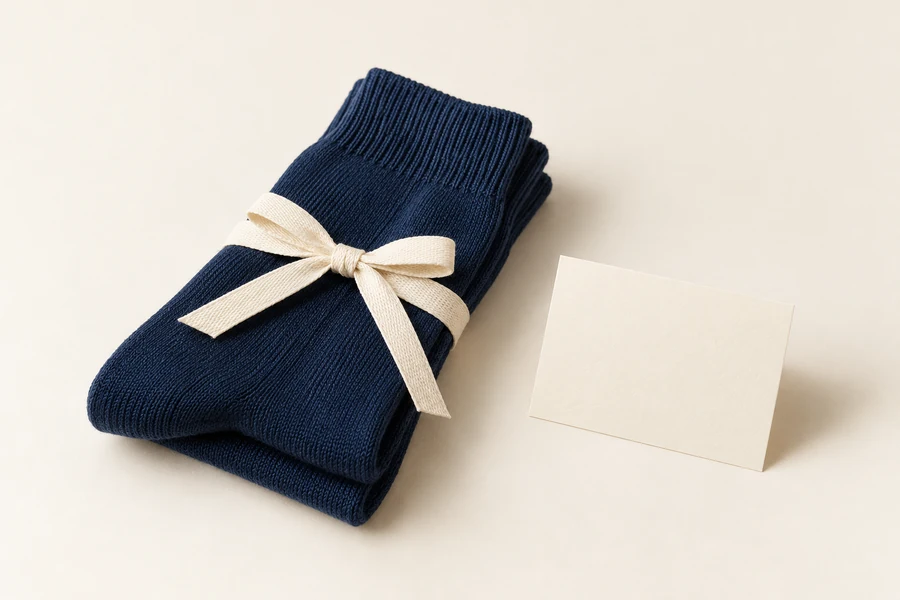
Something warm. A blanket, thick socks, a good dressing gown. Choose it only if you know they would enjoy the comfort and texture.
Something that makes the nights easier. A gentle lamp, an audiobook subscription, tea for four in the morning.
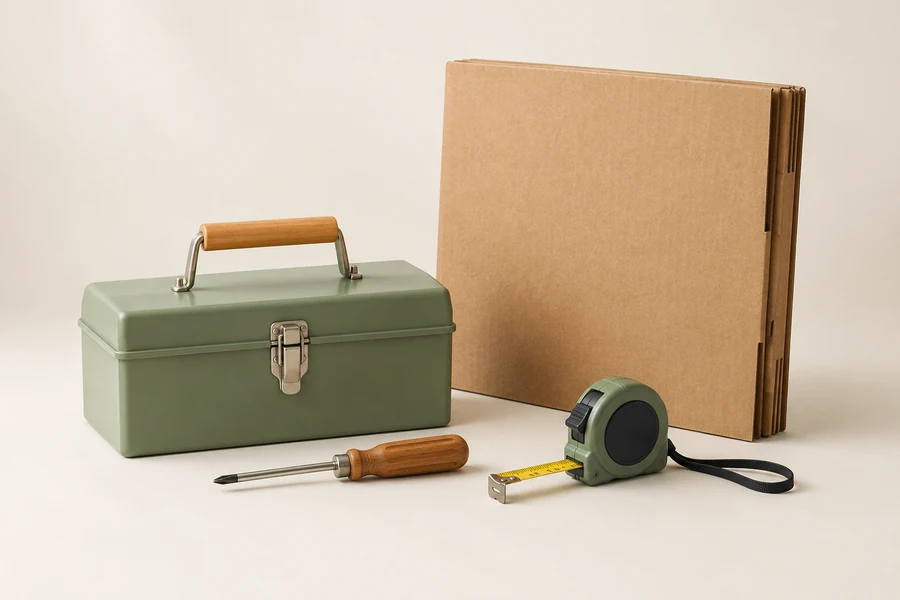
Practical repairs. Whatever in the house was the other person’s job.
The second month
Support can be useful well beyond the funeral. Ask whether later check-ins would be welcome, and do not assume everyone’s grief follows the same timeline.
Put a note in your calendar for six weeks out, and again for the first anniversary and the person’s birthday. A message on those days — thinking of you, and of him, today — is worth more than anything sent in the first week. Remembering a date nobody else remembered is the gesture people mention years later.

What to be careful with
Flowers, in quantity. They arrive in volume, need vases and attention, and then die in a row. One arrangement is kind; a fifth is a chore.
Anything requiring a response. Long letters that ask questions, gifts that need a thank-you, visits that need hosting.
Memorial objects, unasked. Engraved keepsakes, framed quotes, jewelry containing ashes. Deeply meaningful to some people and unbearable to others. Wait until they raise it.
Charity donations in place of anything else. Generous, but send it alongside a message, not instead of one.
Advice, books about stages of grief, or a timeline. Nobody is behind schedule.
If the family has asked for something specific
Follow it exactly. “No flowers, donations to X” is not modesty, it is an instruction, and their preferences come before your idea of what a gift should be.
Giftlify is a tool for remembering dates that matter to the people you care about, including the difficult ones. If you use it for nothing else, put the anniversary in — the person will not expect anyone to remember, and that is precisely why it counts.
For other occasions, what to give instead of flowers separates thank-yous, host gifts and practical support. Keep the bereaved family’s own request ahead of any gift idea.
Happy gifting← Back to all stories